Skip to content
Tax updates

Measures in force and announced measures for businesses and their owners.

5 measures in force5 measures coming upUpdated on 31 October 2026
10 measures
  1. Deux personnes échangent devant un ordinateur portable
    In force · VAT
    Since 1 January 2026

    Structured e-invoices are mandatory between businesses

    VAT-registered businesses established in Belgium must exchange structured electronic invoices with each other, in practice through the Peppol network. A PDF sent by email is no longer a valid invoice between businesses. The three-month grace period ended in late March 2026. For SMEs and the self-employed, e-invoicing costs qualify for an increased deduction until 2027.

    In practice, the invoice becomes a data file that moves from one software package to another through a certified provider, with no re-keying. Credit notes follow the same rule. Invoices to private individuals and foreign businesses are not covered by the obligation. The second stage, real-time reporting of invoice data to the tax authorities, is planned for 2028.

    Applies to: Every VAT-registered business that invoices other businesses.

    Source: SPF Finances, e-facture ↗


  2. La Finance Tower à Bruxelles
    In force · Wealth
    Gains realised since 1 January 2026

    A 10% tax on capital gains on financial assets

    Capital gains realised by individuals on shares, funds, bonds, crypto-assets and investment insurance are now taxed at 10%, with an annual exemption of about €10,000. Gains built up until 31 December 2025 remain exempt. Substantial holdings (20% or more) follow a progressive-rate regime, which directly affects the sale of a family business.

    The tax covers gains realised outside any professional activity. For holdings of at least 20%, the first amounts of gain benefit from a wider exemption and rates rise by bracket. The value of assets at 31 December 2025 serves as the starting point for calculating the taxable gain, which makes documenting that value essential.

    Applies to: Shareholder-directors, private investors, business sellers.

    Source: Baker Tilly Belgium ↗
  3. Calcul d'impôt sur téléphone, formulaire de déclaration et billets en euros
    In force · VAT
    Since 1 March 2026

    Accommodation and takeaway food move from 6% to 12% VAT

    The federal budget agreement raises VAT on overnight stays and on takeaway or delivered meals. Dishes that keep for more than 48 hours remain at 6%. In hospitality, non-alcoholic drinks served on the premises benefit from a reduced rate instead.

    The measure is part of the federal budget agreement. Within the same business, several rates can now apply depending on the product sold and how it is consumed, on the premises or taken away. Correctly splitting receipts in the till system therefore becomes decisive in an audit.

    Applies to: Hotels, B&Bs, campsites, caterers, restaurants offering takeaway or delivery.

    Source: FEB, Nouveautés fiscales 2026 ↗
  4. Deux collègues relisent des documents
    In force · Company cars
    Orders and purchases in 2026

    Last year of 100% deduction for electric cars

    Zero-emission cars acquired by 31 December 2026 remain 100% deductible. For plug-in hybrids, deduction capped at 75% is kept until the end of 2027, and fuel costs stay 50% deductible. Fossil-fuel cars ordered since July 2023 see their deduction fall every year.

    The regime depends on the vehicle's order or acquisition date and its emissions. The user's benefit in kind is still calculated separately, based on list price and CO2 emissions. The deductibility schedule has been adjusted several times since 2023, making each fleet situation specific.

    Applies to: Companies renewing their fleet or providing a car to a director or employee.

    Source: BNP Paribas Fortis, Company cars 2026 ↗
  5. Un conseiller explique un dossier à un dirigeant
    In force · Wealth
    2026 federal budget

    The annual securities account tax is doubled

    The tax on securities accounts with an average value above one million euros rises from 0.15% to 0.30%. It applies to accounts held by individuals as well as by companies.

    The tax is levied on the average value of securities accounts over a reference period, in principle from 1 October to 30 September. It is usually withheld by the financial intermediary when established in Belgium; otherwise the account holder must declare and pay it.

    Applies to: Large financial portfolios, investment companies and holdings.

    Source: Forum for the Future, Budget 2026 ↗
  6. Présentation de résultats à une équipe en réunion
    Announced · Company cars
    From 2027

    The deduction for electric cars starts to fall

    Under the announced schedule, an electric car acquired in 2027 would be 95% deductible, with the rate falling gradually in the following years. Plug-in hybrids would go from 75% to 65% in 2028, then to 57.5% in 2029.

    The schedule remains subject to final legislation. It confirms the trend: deductibility of company cars is gradually falling, including for electric models, while the mobility budget is encouraged as an alternative.

    Applies to: Every company with a vehicle fleet.

    Source: Forvis Mazars, Arizona government ↗
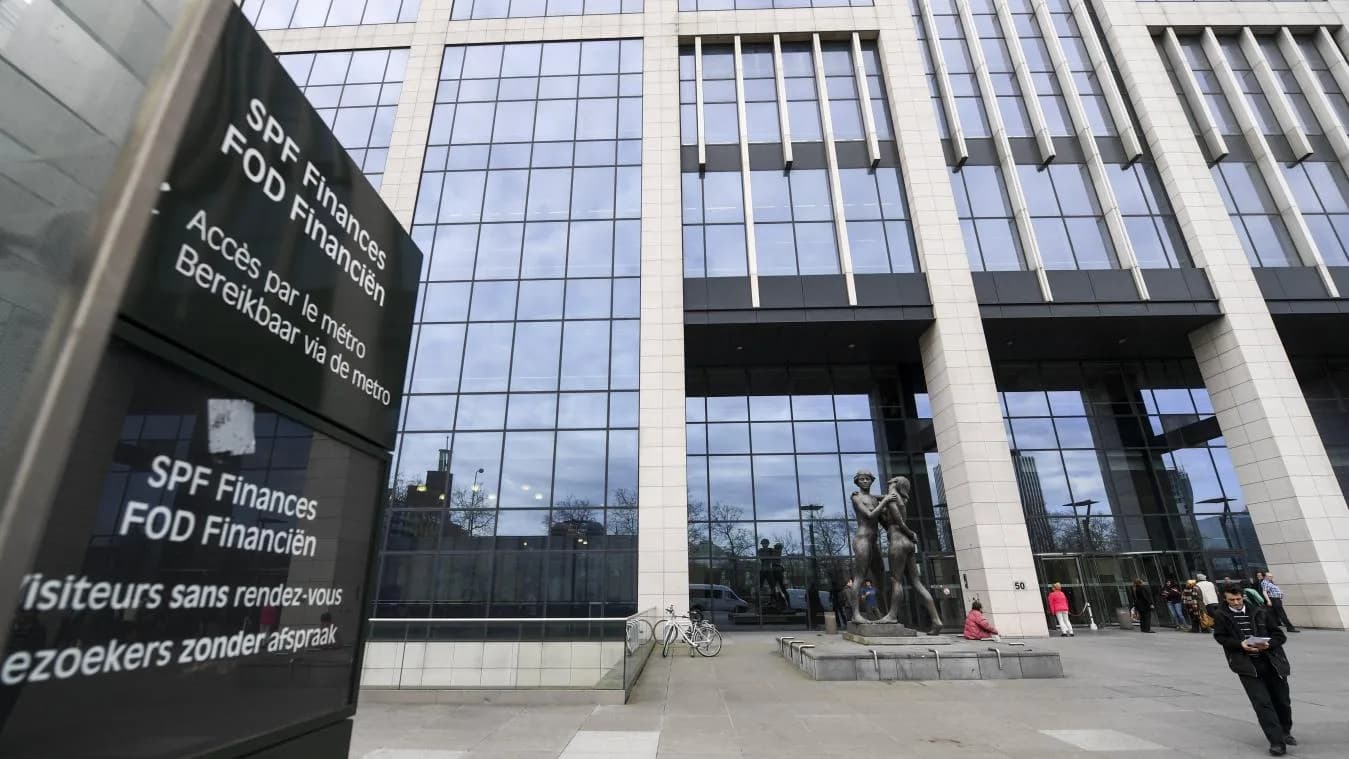
  7. Entrée du SPF Finances à Bruxelles
    Under discussion · Budget
    2027 federal budget

    2027 budget: around €10 billion to find

    The federal government is looking for around €10 billion. Options mentioned include narrowing the gap in treatment between company cars and salaries, and simplifying VAT rates. Nothing has been decided yet; we will update this page as soon as measures are agreed.

    Budget talks focus on the balance between spending cuts and new revenue. The measures chosen could affect the taxation of pay, VAT and certain special regimes. This page will be updated as soon as the texts are published.

    Applies to: All businesses, especially those paying staff through benefits.

    Source: Together Magazine, Budget 2027 ↗
  8. Réunion de travail autour d'une table
    Announced · Remuneration
    2025-2029 coalition agreement

    A reformed mobility budget offered as standard

    The coalition agreement provides that employers systematically offer the mobility budget as an option to staff entitled to a company car. The exemption for capital gains on company cars would be abolished.

    The mobility budget lets employees swap a company car for a greener car, sustainable transport, housing close to work or a cash balance, with specific social security and tax treatment for each pillar.

    Applies to: Employers providing company cars.

    Source: Tiberghien, Government agreement ↗
  9. Un conseiller et son client relisent un document à leur bureau
    Announced · Digital
    By 2027

    A 3% tax on certain digital services

    Failing an EU or international solution, Belgium would introduce a 3% tax on digital services. It would only target groups with more than €750 million in global revenue and €25 million in Belgian digital revenue; SMEs are not directly affected, though some platforms may raise their prices.

    The measure is part of the international debate on taxing large digital groups. Its entry into force depends on how discussions progress at EU and OECD level.

    Applies to: Large digital groups; indirectly, platform users.

    Source: vatcalc, Belgium DST ↗
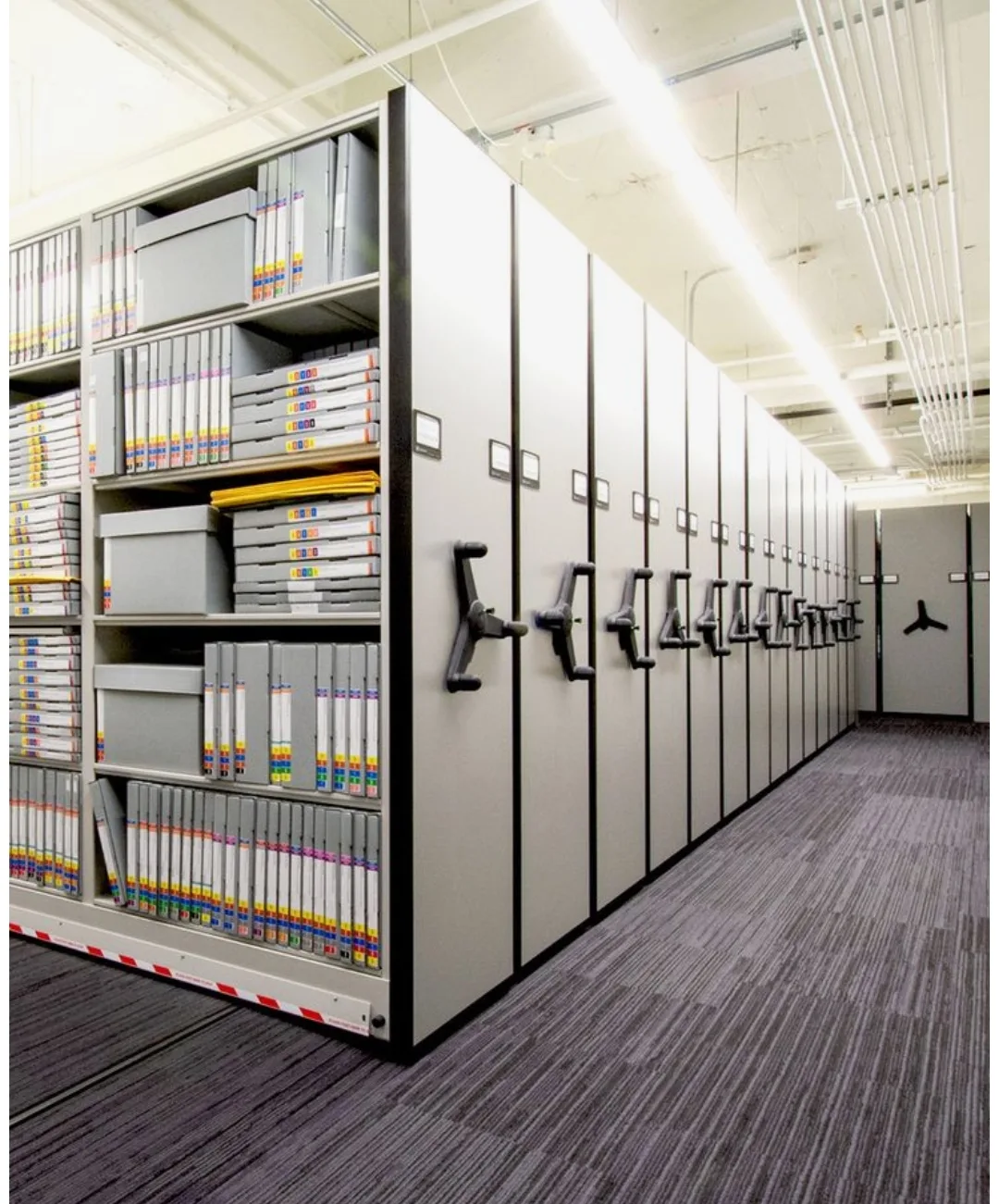
  10. Allée d'archives mobiles avec boîtes et dossiers étiquetés
    Announced · VAT
    Planned for 2028

    After e-invoicing, real-time data reporting

    The second stage of the reform requires invoice data to be sent to the tax authorities in near real time ("e-reporting"). 2027 is the year to make your invoicing processes reliable ahead of that deadline.

    With e-reporting, the authorities will receive invoice data at the time of exchange, allowing them to match VAT returns with actually invoiced transactions more quickly. The quality of invoicing data becomes a compliance issue in its own right.

    Applies to: All VAT-registered businesses.

    Source: Blog ITAA, Facturation électronique 2026 ↗

This information is general and reflects the state of legislation and announcements on the update date. Announced measures may still change. It does not replace advice tailored to your situation.

Read our news too→